Guides and records
Five areas, kept the same way every year
These are the parts of the log that stay in the open. Each area has the steps I actually work, in the order I work them. They describe this farm, in Bates County, on this ground. Where your land differs, your land wins.
Pasture and pond notes
What the grass, the stock and the water actually did each season, written down the same day and kept year over year.
- Walk the south and river-bottom pastures on the same route, once a week, the same day if the week allows it. The route matters more than the day.
- At each gate, write one line: grass height by eye against the boot, what the stock are doing, anything out of place. Out of place includes things like a heron standing where it should not.
- Read the pond off the notch post on the first and last morning of the month, before wind. Level goes down in feet under the spillway, rain in inches beside it.
- Check the stock pipe flow on the same walk: clear or cloudy, steady or thin. Grease the tank-house linkage on the fifteenth of the month and write that down too.
- Record rotation moves the day they happen, not the day you remember them: which pasture, how many head, what the grass looked like going in.
- At month's end, copy the numbers to the standing-records table on the journal front. The table is what gets read in January; the walking notes are how it stays honest.
Fence, road and boundary records
Where the fence lines run, which county road easements touch the place, and what the county recorder shows for the parcel.
- Keep one page per fence run: the corners it stands between, what it is built of, what year it was last worked, and what the last pass involved, post for post if the pass was small.
- Walk the runs each spring before the grass hides the ground. Mark leaning posts with survey tape the same day; the tape is a note to yourself that you will believe in June.
- When work is done, count what it took, staples included, and enter the count on the run's page. Next time, the page tells you what the job is before you start it.
- Note every county road easement that touches the place, and where the crossings and culverts sit on it. The road notes live beside the fence notes because they share corners.
- To read the recorder entry for the parcel: go to the Bates County recorder of deeds, in person or through the county's published records, and ask for the index under the parcel's legal description, which is on any old deed or tax statement.
- Write down what the index shows, exactly as shown: book and page or instrument number, date recorded, grantor and grantee. Copy, do not summarize. A summarized record is a rumor with paperwork.
- The recorder's office is the source of record for all of it. If what is recorded disagrees with my log or with memory, the recorder wins and the log gets corrected the same day.
A fence record that only one side keeps is half a record. Tell the neighbor the day you touch a shared corner.
Weather and rain log
Rainfall, first frost and pond level, entered in one notebook, one page per month, without gaps.
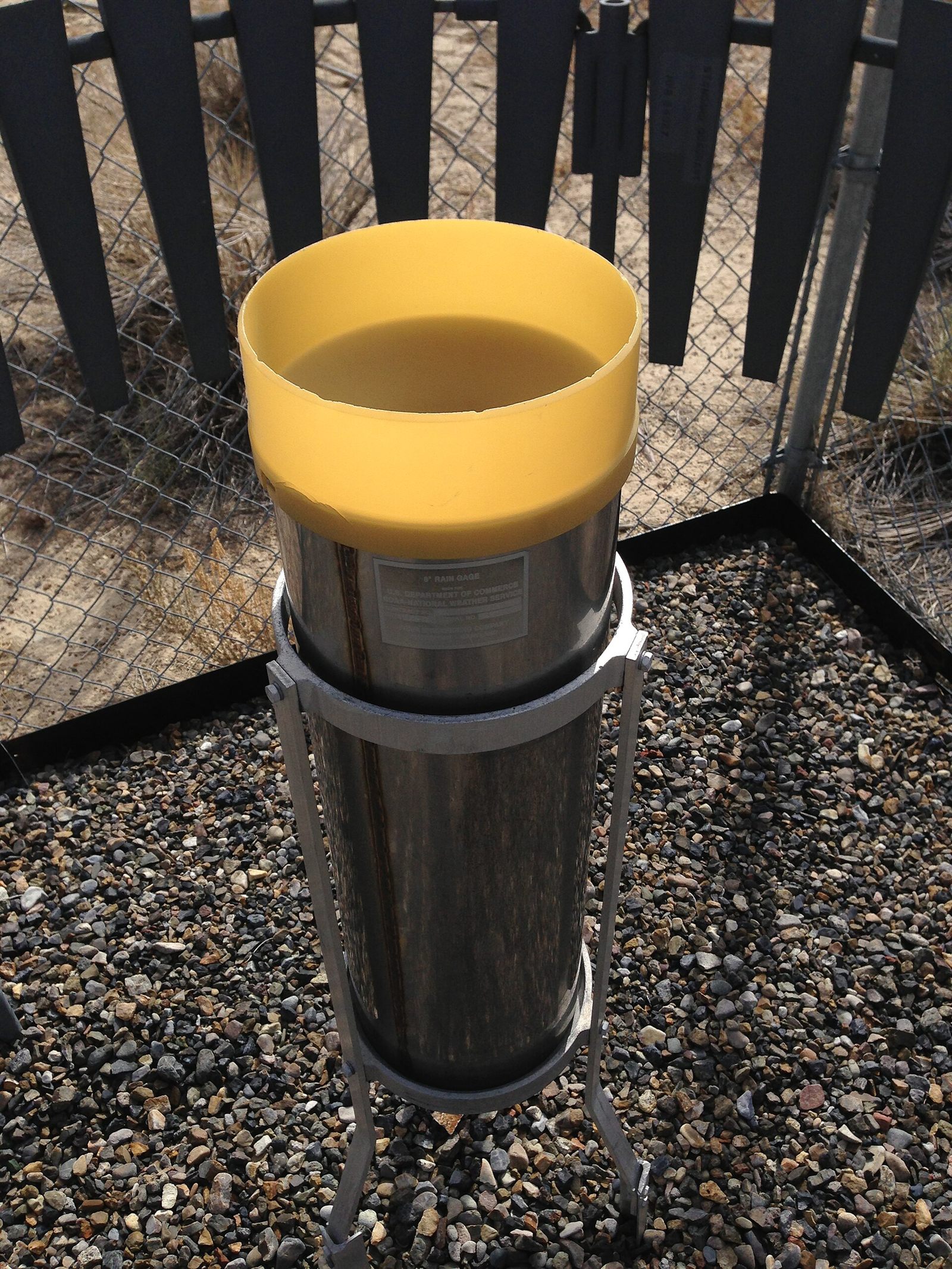
- Read the gauge every morning at the same hour, before chores pull the day apart. A gauge read at noon after a morning sun has already robbed it is a smaller number than the truth.
- Enter the reading the same morning, on the month's page, in inches and tenths. Dry mornings get a zero. The zero is a record; the blank is not.
- Keep the gauge where it is kept: ten feet clear of the machine shed, level, checked after every hard wind. If it moves, note the move and the date, or the series is two series pretending to be one.
- Mark the first killing frost of fall and the last of spring, by the garden row and the low ground separately. The low ground runs about nine days ahead, and hay decisions hang on that gap.
- Note the character of big storms in one line: how long, which direction, what it laid flat. The number goes in the table; the line keeps the number from lying by omission.
- At year's end, total the months, copy the total to the front page, and start the new notebook with the old one's last page in hand. Fourteen notebooks, no gaps.
Guides for land days
Step lists for the jobs that repeat: mending a fence run, clearing a culvert, cutting and turning hay, winterizing the pond pipe.
Mending a fence run
- Walk the run first and mark every leaner and every rotted post with tape. Do not carry tools on the marking walk; you will be tempted to fix small things and lose the day.
- Stage posts, staples and wire at the marks before starting. The walking back and forth for forgotten staples is the part of the job nobody warns you about.
- Work mornings while the ground holds dew. After ten the holes fight back.
- Dig, set, plumb, and pack crushed rock into wet or frost-heaved holes. Pull wire only after every post in the stretch is standing.
- Splice bad wire rather than re-running a whole stretch when ninety feet will do it. Sleeve splices, pulled to the run's own tension.
- Count staples as you go and enter the count, with posts set and hours, on the run's page the same evening.
Clearing a culvert
- Do it in late summer at low water, not in the storm that shows you it is needed.
- Start at the outlet end and work in. Rod the pipe from the outlet and you push debris back out the way water wants to carry it.
- Clear the headwall and both wing rows by hand. The pipe is rarely the whole problem; the mouth is where the first jam sets.
- Run water through with the hose or wait for the first rain, then look for daylight the full length of the pipe. No daylight means a collapsed section, and that is a digging job, not a rodding job.
- Note the date, what came out, and how the flow looked after, in the road records. Tell the road district if the crossing took more than an hour of work; they keep the county side of these things.
The hay sequence
- Walk the piece and run the twist test on a handful of stems. Twist and no snap means wait.
- Mow in the morning dew, early, and let the swath start curing as the sun comes up.
- Turn once, on the second or third day, late enough that the windrow top is crisping.
- Test before baling by breaking stems at the center of the windrow. Clean break, no string, no heat in the handful: bale it.
- Bale in the morning while the leaves still hold their pliability, and get the stack under cover the same day if the sky is a question.
- Weigh a sample on the shed-door spring, count the bales, and enter mowed, turned, baled and count on the hay page. The guessing goes in the margin; the truth goes in the rows.
Winterizing the pond pipe
- Do it in October, before the ground takes frost. A dry pond freezes hardest at the pipe mouth.
- Shut the inlet valve at the dam and drain the pipe down to its low point by pulling the plug at the tank house.
- Clear the mouth of weed and muck by hand; whatever is left there becomes the ice plug's core.
- Grease the float linkage and the valve stem, and leave the tank-house drain cock open all winter.
- Set a board over the mouth to keep ice from sheeting into the pipe, weighted, not nailed.
- Enter the date on the pond page. In March, reverse the list and enter that date too. The pipe has never frozen since the list started; before it, twice.
Notes for neighbors
Shared records kept in the open: burn dates, gravel deliveries, and the call list for the county road district.
- Burn dates go in the log the day the fire goes out, with wind, direction of travel and who stood watch. If a neighbor burned the other side of the same timber, both pages should say the same thing; compare them at the mailbox.
- Gravel deliveries are entered by date, loads and where they went. The county drops on agreement, and the agreement is only as good as the shared memory of it.
- The road district call list lives on the front page of the current notebook: the district number, the grader season as the county publishes it, and the standing arrangements for this stretch, like who walks the crossings when the blade comes through.
- Anything a neighbor might need in a hurry, culvert history, gate combinations, which fields hold stock in which months, gets a line in the open notes rather than in my head alone.
- If you keep a place nearby and want your burn dates and gravel lines carried here beside mine, that is what the contact page is for.
Shared records work the way shared fences do: both sides write, both sides read.